

Ofsted Inspection Updates
Ofsted has updated the way nurseries are inspected from 2025, with clearer report cards that show simple grades alongside short explanations of what each setting does well and where it can improve.
Nurseries are now graded on a five-point scale, Exceptional, Strong Standard, Expected Standard, Needs Attention and Urgent Improvement, across key areas such as teaching, early years care, children’s progress, inclusion, leadership, wellbeing, and behaviour.
Epsom’s New Ofsted Report
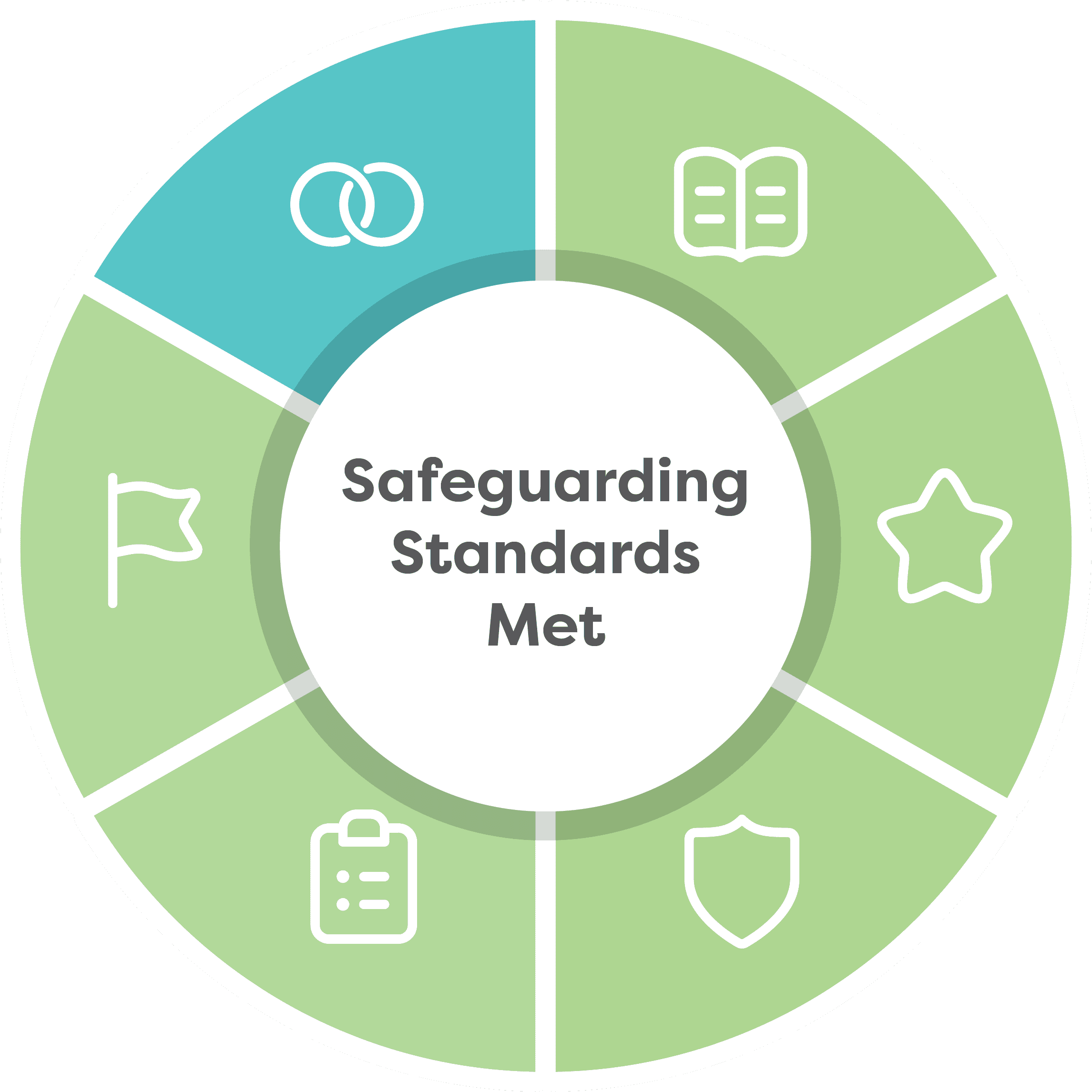
Monkey Puzzle Epsom was inspected by Ofsted on 9 March 2026, confirming that safeguarding standards were fully met and that children are kept safe and feel safe. The nursery achieved Strong Standard for Inclusion, recognising how precisely staff and leaders identify and support every child’s individual needs, and Expected Standard across the five remaining areas of inspection. Parents and carers can read the full Ofsted report here to learn more about the inspectors’ findings.
New Ofsted Report

What Ofsted Highlighted
Inclusion – Strong Standard
Staff use their secure knowledge of each child to assess their stage of development and plan meaningful next steps that precisely target what they need to learn next. This means any emerging delays are identified promptly and personalised support is put in place quickly. Leaders regularly spend time in each room offering staff support and ideas to build further on children’s progress, which is particularly beneficial for children with special educational needs and/or disabilities and those who face barriers to learning. Staff draw on children’s interests to help those who speak English as an additional language widen their vocabulary and grow in confidence to share their thoughts and ideas. Leaders ensure staff are fully equipped to assess progress and close gaps in development, use additional funding effectively, and have built strong, two-way partnerships with parents so that children receive consistent support at nursery and at home.
Achievement – Expected Standard
Gaps in children’s learning close quickly and they promptly catch up with their peers, progressing well from their starting points. Children develop the knowledge and skills they need for their next stage, whether that is moving to the next room in the nursery or starting school. Children with special educational needs and/or disabilities, and those who face barriers to learning, make steady progress; for example, children developing their physical skills enjoy walking around the room holding hands with staff and build their core strength by pulling themselves up on low-level furniture. Children continue to develop their speaking and communication skills, with those who speak English as an additional language showing growing confidence to talk with friends and staff about what they are doing during group activities.
Behaviour, Attitudes and Establishing Routines – Expected Standard
Staff support children to understand behaviour expectations through shared ‘golden rules’ during group activities, and set clear expectations from a very young age, praising babies for listening and joining in at song time. Overall, children behave well and enjoy working with their friends towards a shared goal, such as unwrapping a new resource and working out together how to fit it all together, encouraging and reassuring one another along the way. Staff step in swiftly when children need support, and leaders continue to help staff develop consistent strategies that give children opportunities to work through minor disagreements and begin to regulate their own emotions. Leaders monitor attendance carefully and share with parents the importance of punctuality and regular attendance.
Children’s Welfare and Wellbeing – Expected Standard
Leaders and staff prioritise building strong bonds with children, helping them settle quickly. New children are comforted with cuddles when upset before soon finding activities to focus on, such as push-along cars and coloured screens. Staff help children begin to talk about their feelings, inviting them to choose a picture that reflects how they feel and encouraging them to explain why, so children start to understand their emotions. Staff follow babies’ and younger children’s home routines for sleeping and feeding, teach safe eating habits, and ensure all children have regular opportunities for exercise. Children learn to become independent, with older children using the toilet and washing their hands by themselves and all children encouraged to join in daily routines such as tidying away after meals.
Curriculum and Teaching – Expected Standard
Leaders are highly ambitious for every child to succeed and have effective oversight of the quality of the curriculum. As a relatively new team, they have focused on implementing a broad curriculum that supports all children to progress, and children benefit from effective teaching that helps them reach the next stage of their development. Staff use their knowledge of children and ongoing assessment to plan for continued learning, and arrange the environment so that children confidently explore and enjoy a range of learning opportunities. Staff use a variety of strategies to build communication and language, including visual prompts for younger children and those with speech delays, pointing to animal pictures as they sing to babies and encouraging back-and-forth conversations as children play. Leaders continue to support staff to embed the curriculum consistently across all rooms and to make best use of every available space.
Leadership and Governance – Expected Standard
Leaders have effective oversight of the nursery and accurately identify its strengths, including how well staff work together as a team and the secure bonds leaders and staff have formed with parents. Staff report that they enjoy working at the setting, feel well supported by leaders and complete relevant training to help them in their role. Parents are highly complimentary of leaders and staff, appreciate the teaching and care their children receive, and say their children enjoy attending and progress well. Leaders maintain a secure overview of children’s development, regularly speaking with staff about progress and spending time in the rooms observing children and supporting practice, so that prompt and decisive action is taken whenever a child needs extra support.
What it’s like to be a child at Monkey Puzzle Epsom
Staff make every child feel welcomed and valued as an individual, showing warmth and kindness that helps children settle quickly and engage actively in their learning. Babies beam with delight playing peekaboo with see-through scarves, strengthening the secure bonds that help them feel safe to explore. Children show real curiosity as they test their ideas, such as pushing objects down the slide and repeating the activity to see what happens, building early problem-solving skills with appropriate praise from staff. Imaginative play is extended thoughtfully, with staff weaving mathematics into making ‘cakes’ in the water tray by encouraging children to measure out their ‘ingredients’. Children confidently share their thoughts in a group, and independence is nurtured from a young age, from cleaning their own hands before eating to putting things away after meals, while staff sensitively adapt support and the environment so that every child can succeed.